STAY INFORMED
Must Watch Videos
The Significance of Spelling Jerosolym vs. Jerusalem in the Bible

If you read Greek or the Latin Vulgate, you may have noticed various spellings of the word Jerusalem.
The spelling of Jerusalem with the y (Jerosolym) is found only in Greek texts of the Sacred Scriptures. The Hebrew texts preserve Jerusalem. In the Greek New Testament you’ll notice both – same with the Vulgate New Testament. Also, in some of the Deuterocanical books in the Septuagint and Vulgate, you’ll see Jerosolym.
Within the Deuterocanonical and New Testament Scriptures, both are used by the sacred authors. The y spelling (Jerosolym) derives from the Greek Hierosolym, which includes the Greek root for sacred cultic words. Hiereus is priest. Hieron is temple. The Greek writers made a Greek play-on-words to denote Jerusalem as a Hierosolym (a “temple” city).
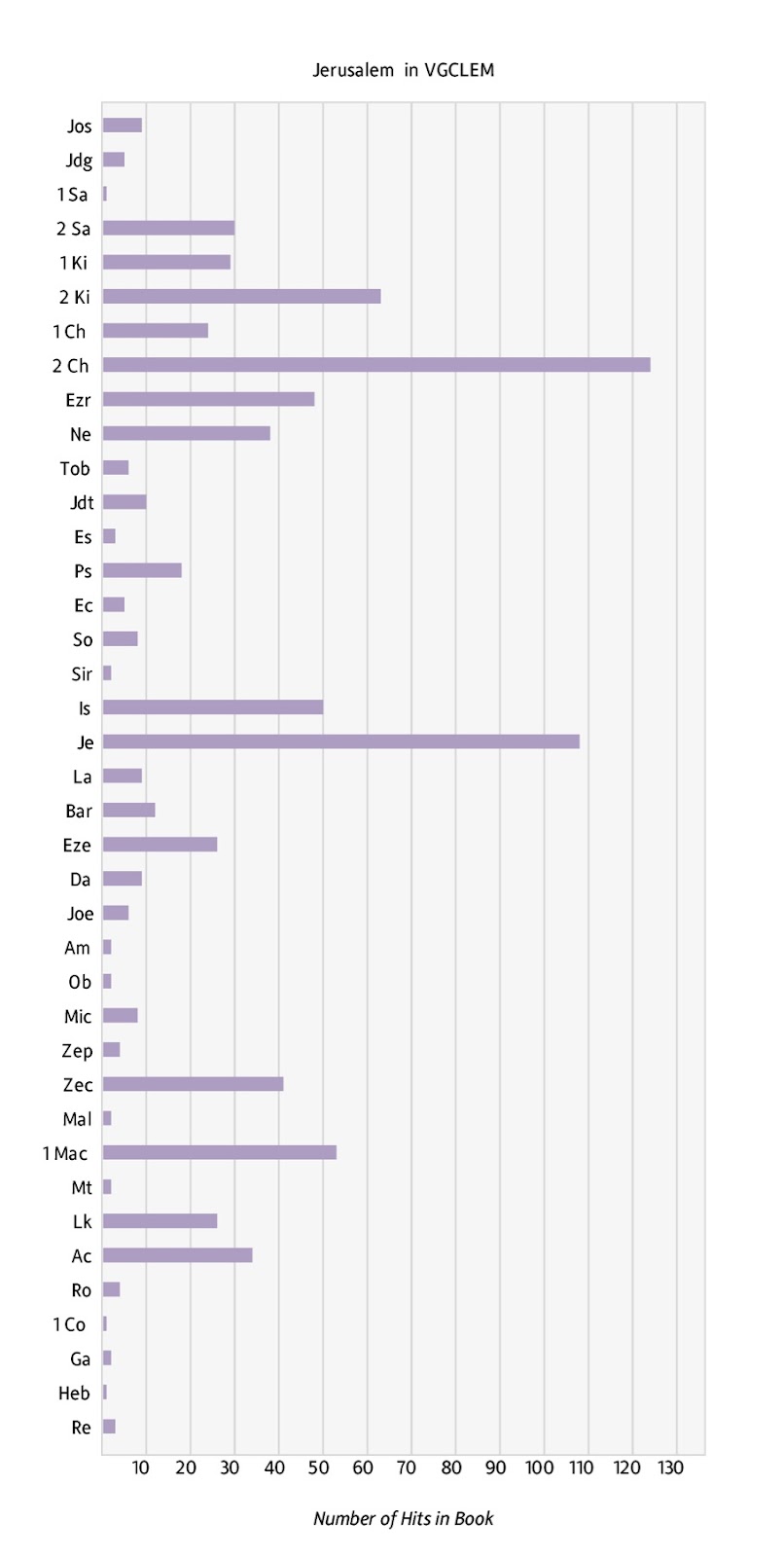
Here are the status for Jerusalem:
Here are Jerosolym variants:
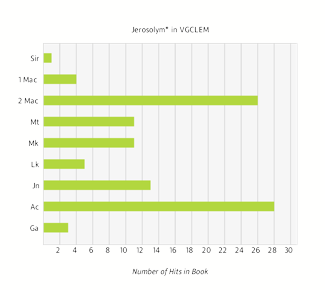
I mocked up these charts with Logos Bible Software. If you’d like to purchase this software, you can receive a 15% discount by mentioning my name. Use MARSHALL as the code in your check out.
My suspicion is that Jerosolym refers to a geographical location of the Old Testament temple, but that Jerusalem has spiritual significance. In Christian literature, Jerosolym is slightly polemical. Jerusalem, on the other hand, can refer to Heaven itself.
Saint Paul, in Galatians, refers to meeting Peter in geographical Jerosolym (Gal 1:17); however, in the same epistle he uses Jerusalem when referring to “that Jerusalem which is above is free, which is our mother.” (Gal 4:26)
Likewise, Saint John uses only Jerosolym in his Gospel (13 times), and he uses only Jerusalem in the Apocalypse (3 times). In his Apocalypse, Jerusalem always refers to the Holy City, which is Heaven.
If you are interested in learning more about Judaism, Saint Paul, and Catholicism, please take a look at Dr. Marshall’s books. Available in Paperback and Kindle format:





Dive Deeper

GET CONFIDENT IN YOUR FAITH
Explore the fascinating world of Catholic teachings with Dr. Marshall. Together you’ll unpack the brilliant answers the Church gives to tough questions about the Faith. The best part: you go at your own pace. Start this exciting journey today.