STAY INFORMED
Must Watch Videos
Monastic Sign-Language Dialects and My Own Parental Sign Language

I recently read that the Trappist monk Thomas Merton (author of Seven Story Mountain) studied the history of monastic sign language. This perked my curiosity and so I looked into the topic.
Apparently monks have been using hand signs for centuries. These hand gestures were used to communicate while maintaining silence.
As a father I have my own hand gestures that I use in Mass for my five children (ages seven to one). There are only a few them. Such gestures include the meanings of:
- “Be quite or you don’t get a donut after Mass!”
- “Kneel down!”
- “No you can’t go to the bathroom”
- “It’s the consecration – stop moving around!”
Then there are the nice ones, like holding hands with my daughter or arm hugging my sons.
I doubt that monastic sign language has any of these signs. Usually their signs referred to liturgical actions or to the need for a tool (e.g. “hand me that shovel”).
I discovered a list of the variously documented monastic sign languages:
- Trappist/Cistercian Sign Language
- Cluniac Sign Language
- Anglo-Saxon Sign Language
- Augustinian Canon Sign Language
- Dublin Cathedral Sign Language
- Ely Cathedral Sign Language
- Paris Cathedral Sign Language
- Franciscan Sign Language (tradition says that St Bonaventure created the first finger alphabet)
Linguists have discovered that the various monastic sign-language dialects range from as many as 52 words to as many as 472 words!
Some of these “dialects” are now defunct. From a linguistic point of view, the “dialects” typically follow the rules of the local language. For example, the Paris sign language more closely resembles French rules of grammar, than say, the Dublin version.




Dive Deeper
GET CONFIDENT IN YOUR FAITH
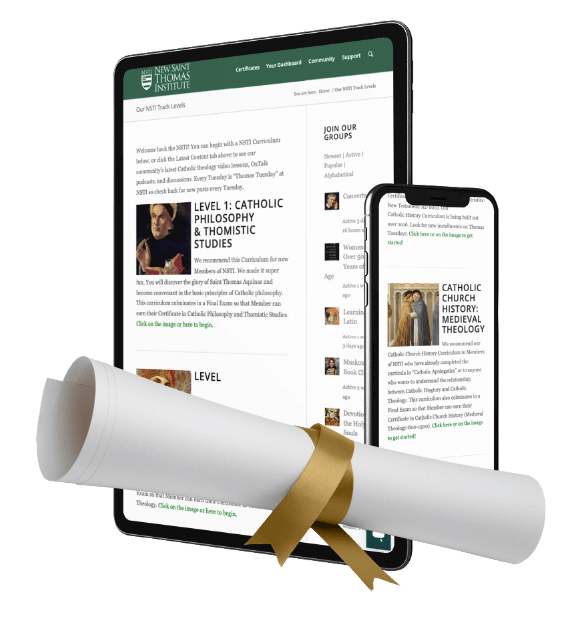
Explore the fascinating world of Catholic teachings with Dr. Marshall. Together you’ll unpack the brilliant answers the Church gives to tough questions about the Faith. The best part: you go at your own pace. Start this exciting journey today.